Are Pest Removal Treatments Safe for Youngsters and Pets in Scarborough?
If you’re looking into pest control scarborough services, protection is usually the first priority for families. That’s especially true when you have children, pets, or both in the home. The good news is that modern pest control can be very safe when it’s planned properly, applied by a licensed pest control technician, and followed according to the pesticide label and local guidance from Health Canada.
Safety depends on more than whether a product is “chemical” or “natural.” It comes down to the category of pest, the application area, the active ingredients, and how much direct contact people or animals might have with treated surfaces. A practical approach using integrated pest management focuses on risk reduction, preventive measures, and targeted treatment instead of broad, unnecessary spraying.
For Scarborough homeowners and renters, this is important because local housing varies widely. A single-family home may need different planning than an apartment building with shared hallways, trash rooms, and walls. In both settings, the goal is the same: effective pest control with family safety, minimal disruption, and clear instructions you can follow confidently.
What makes pest control treatments protected or risky?
The security of a pest treatment starts with the active ingredients and their application method. Some products are designed to be placed in hidden areas, while others may be applied directly to cracks, crevices, or surfaces. A treatment that is safe for one home can become risky if it is applied incorrectly or if people and pets enter the area too soon.
The application method matters just as much as the product itself. For example, a technician using a precise crack-and-crevice approach creates less exposure than a wide application across open flooring. A properly managed treatment usually reduces chemical exposure because it keeps product where pests travel, not where children, toddlers, or pets are likely to touch it.
The residual effect is another critical factor. Some products leave a residual residue that continues working after drying. That can be helpful for long-term control, but it also means the treated area must be managed carefully until the drying time has passed. Even odorless products can still require a strict re-entry period.
Always follow label instructions. The pesticide label is the legal and practical guide for safe use. It explains where the product can be applied, whether it is safe for particular surfaces, how long to keep people and animals out, and what ventilation is needed. A reputable company will also explain any clear instructions before and after the service.
Typical pest treatment methods applied in households
Different kinds of pest problems demand varied approaches. In home pest management, the most frequent solutions consist of bait stations, gel baits, dust formulations, and sprays. Each one has a distinct safety record for children and pets.
Bait stations are frequently used for rodent issues and at times for ants. They are made to keep the treatment enclosed, which can reduce risk in homes. This creates them a frequent choice for rodent control when care and targeted placement are key priorities.
Gel baits are often used in cockroach control and ant control. As they are set in small doses in hidden cracks or behind appliances, they can be a more family-friendly and pet-safe option than open spraying. When used properly, gel baits support targeted treatment and help with little disruption.
Dust formulations and dust insecticides are commonly applied into wall voids, electrical chases, or other out-of-sight spaces. They can be highly effective, but because dust can spread if disturbed, they must be installed carefully by a licensed pest control technician. This is especially important in homes with exploring toddlers or energetic pets.
Sprays, including residual sprays, are effective for some pests and spaces. They may be appropriate for cracks, edges, or exterior entry points, but they are not always the ideal choice for every home. For example, a family with babies or pets that lie on floors may prefer less direct-contact methods unless a spray is truly needed.
Are treatments for pests harmless for children?
In most cases, yes—pest control can be safe for children when the right method is selected and the home is set up properly. The biggest dangers come from direct contact with wet products, treated surfaces that have not fully dried, or areas where children can reach baits or equipment.
Toddlers are the most likely to touch floors, crawl into corners, and put hands in their mouths. This means the treatment plan should minimize open contact and focus on careful placement. A good provider will think about the application area in terms of how children actually use the home, not just where pests are seen.
For families with babies, the same logic applies. Nursery furniture, play mats, and storage areas should be considered before service starts. If a room is treated, the re-entry time must be respected, and the room should be ventilated and fully dry before a baby sleeps or plays there again.
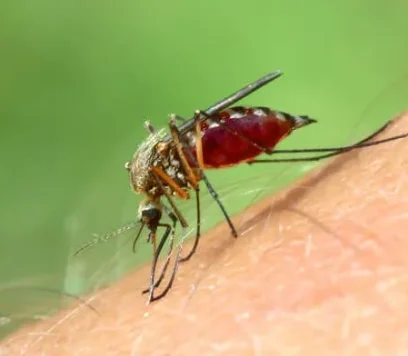
One of the strongest approaches for child safety is integrated pest management. IPM uses inspection, monitoring, sealing entry points, sanitation, and minimal-risk products before escalating to more intensive treatments. That often means fewer applications, less chemical exposure, and a safer result for the whole family.
Parents should also be mindful of high-touch surfaces such as baseboards, cabinet handles, counters, and floors near play areas. After treatment, these areas should only be cleaned if the technician says to do so, because wiping too early can reduce effectiveness. The right balance between surface cleaning and preserving product performance is part of smart family safety.
Are pest control treatments safe for pets?
Pest management can be harmless for your pets when the process is planned around the pets in the home. That includes dogs and cats, which may nose around, lap at, or move through places that kids would never think to handle.
For homes with pets, low-level exposure is often the biggest concern. Pets that roll around on carpets or lie near baseboards may encounter moist residue if they re-enter too early. That is why the time to dry and the re-entry period matter so much.
For cats, vigilance is more critical because they groom themselves frequently and may jump onto counters, shelves, and window ledges. Cats are also sensitive to certain ingredients and formulations, so the technician should be fully aware which rooms are used by pets and whether any areas should be kept inaccessible longer.
If you have fish tanks, they require careful safeguarding. Even a a minor amount of airborne chemical spray or drift can affect fish and filtration systems. Aquariums should usually be covered, sealed off, or moved if the technician suggests it. This is one of the most important pet-friendly safety steps in a home treatment plan.
Meals and water stations matter too. Animal food bowls, mats, snacks, and cat litter areas should be cleared or concealed before treatment. This easy measure can greatly reduce the chance of accidental contact and helps keep the process more pet-friendly.
Questions to ask a Scarborough pest control company prior to scheduling
Before booking pest control scarborough service, inquire the company who will be in your home and what they will use. Confirm that a licensed technician will inspect the problem first and describe the treatment plan in plain language.
Ask to see the product label for any pesticide being used, especially if you have children, pets, or special concerns like asthma or allergy sensitivity. A trustworthy provider should be able to explain the label, the application method, and any required precautionary measures in detail.
You should also ask how their service supports integrated pest management. Good companies should talk about inspection, sealing entry points, monitoring, and sanitation—not just spraying. This is especially important in Scarborough homes where treatment planning may need to address recurring pests in multi-unit or family settings.
In the end, ask about the service guarantee. While a guarantee does not replace proper preparation, it can show that the company stands behind its work and is willing to return if the infestation is not fully resolved. For issues like bed bug control, rodent control, or repeated cockroach control, follow-up matters a lot.
How to prepare your home before treatment
Careful prep lowers risk and improves outcomes. Before the technician arrives, set aside toys, especially items that children mouth or carry around the house. This helps reduce contamination and keeps the treatment area organized.
Relocate or cover bedding if the service includes bedrooms, baseboards, or furniture around sleeping areas. If bed bug control is part of the job, the preparation steps may be more thorough, since mattresses, frame joints, and nearby clutter can all play a role.
Keep all food storage items securely. That includes pantry goods, open snacks, pet treats, and anything on counters that might be exposed during service. If your technician recommends it, take food out of cabinets or seal it in containers before treatment begins.
Vacuuming can also be beneficial, especially before treatments for ants, cockroaches, or bed bugs. It helps reduce debris, food particles, and pest activity, while also supporting broader sanitation practices. In many cases, preparation like this improves both safety and effectiveness with minimal disruption.
What to do post-treatment to ensure kids and pets stay safe
Following the service, the most important step is to follow the re-entry time. Do not let children or pets re-enter to the treated area until the company confirms it is safe. If the treatment includes sprays, the ventilation and drying time must be complete before normal use resumes.
Let in fresh air or run fans if the technician says it is appropriate. Good ventilation helps freshen indoor air and supports a more comfortable return to the space. This is especially helpful in homes where the treatment area is a bedroom, kitchen, or living room used by the whole family.
Skip surface cleaning too early. If a treated surface is wiped right away, you may remove the active product before it has time to work. Ask the technician exactly which areas can be cleaned and when. This balance is especially important for high-touch surfaces in homes with active kids.
Continue monitoring after the service. Watch for pest activity, note any signs of re-entry, and report concerns promptly. Monitoring is part of effective risk reduction because it helps you respond early if a problem returns.
Why the local environment in Scarborough can change pest pressure
Scarborough has a broad mix of housing types, and that changes how pests behave. Older homes may have small cracks, shifting foundations, or utility gaps that let pests inside. Apartment buildings can have shared walls, hallways, and trash rooms that make pests harder to isolate. In both settings, entry points and treatment planning matter a lot.
Lake Ontario humidity and seasonal moisture can also add to pest pressure. Damp conditions may make some areas more attractive to ants and cockroaches, while moisture around basements, kitchens, and laundry rooms can support activity. That’s one reason why local pest plans often need more than a quick spray.
Scarborough experiences strong seasonal pest pressure. During warmer months, there can be more ants and other insects, while cooler periods can push rodents indoors. During the year, homeowners and renters often need help with mouse and rat control, ant treatment, roach control, and bed bug treatment depending on the building and the neighborhood.
Multiunit housing adds an extra layer. Within an apartment building, adjacent walls, utility lines, and trash areas can impact treatment timing and re-entry time. A pest plan may require coordination with property management and neighbors to achieve long-term results. That is where professional inspection and careful scheduling truly help.
When it makes sense to choose chemical-free or low-toxin solutions
Occasionally the ideal answer is not a more powerful pesticide at all. Barrier methods is commonly the initial place to start: filling cracks, repairing screens, closing gaps around pipes, and keeping pests out of the home at the outset. That approach reinforces proactive steps and reduces future dependence on chemicals.
Hygiene is also essential. Wiped counters, sealed garbage, immediate dishwashing, and reduced clutter can make a big difference for ants, cockroaches, and rodents. Strong cleaning habits also improve the success of treatment because pests have fewer food and shelter.
Manual traps are an additional helpful solution, especially for rodents and some crawling insects. They are often preferred in homes where families want a more non-toxic or low-toxin solution, or where product placement must be kept away from children and pets.
Often, a mix of techniques gives the best results. A precise treatment may be paired up with closing off access points, watching, and tidying to create a lower-risk lasting solution. This is the heart of integrated pest management: use just what is required, where it is needed, and leave the rest of the home as safer as possible.
For families that want the most child-friendly and pet-friendly choice, a professional can often suggest a layered plan that starts with inspection, blocking access, and sanitation before moving to carefully placed treatments like bait or dust in hidden locations.
FAQ: Safe pest control for families and pets
Are pest control treatments safe for children and pets right away?
Not usually. Even when a product is considered safe for children https://toronto-onby853.lumenforgex.com/posts/real-estate-management-pest-management-in-scarborough or safe for pets after drying, you should always observe the technician’s re-entry time and the pesticide label. The treatment area should not be used until it is fully dry and properly aired out.
How long should kids and pets stay away after pest control treatment?
It depends on the product, the application area, and the pest being treated. Some services require only a limited re-entry period, while others need longer drying time. Speak with the licensed pest control technician for exact instructions before anyone returns.
What pest control methods are safest for homes with dogs and cats?
In many homes, bait stations, gel baits, and carefully placed targeted treatment are among the most pet-friendly choices. These methods limit exposure by keeping products out of reach of dogs and cats. Your technician may also suggest exclusion and sanitation first.
Are eco-friendly or organic pest control products better for families?
Not necessarily. Organic treatments or non-toxic products can be useful, but they are not automatically more effective or safer in every situation. The best choice depends on the pest, the home, and whether the approach follows Health Canada guidance and the pesticide label.
What questions should I ask a pest control company in Scarborough before scheduling service?
Check if the service will be handled by a licensed pest control technician, what solutions will be used, what precautionary measures are required, and how long the waiting periods are. Also ask about their warranty, their use of integrated pest control, and whether their products are child-safe treatments and appropriate for homes with pets.
Mosquito Man Scarborough1225 Kennedy Rd, Scarborough, ON M1P 4Y1, Canada
+1 647-243-7241
https://maps.app.goo.gl/8SuLx1MkkqVJFc2m9 https://mosquitoman.ca/pest-control/scarborough/
43.7561897, -79.2751574